R.D. 7
REGIA DRAGAMINE
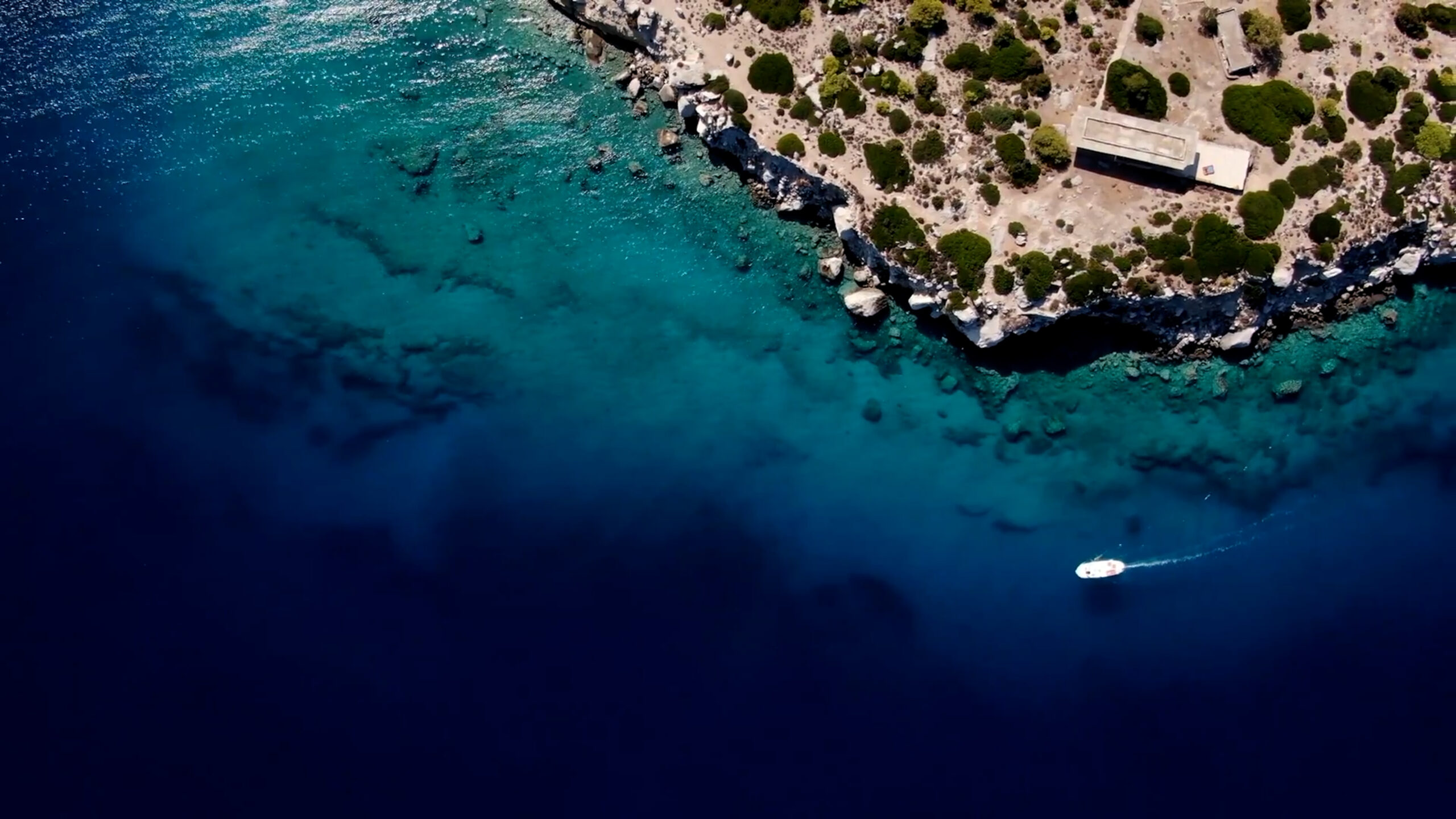
In June 2025, our team had the privilege to dive one of the lesser-known but deeply historic shipwrecks of the Saronic Gulf — the Regia Dragamine R.D.7, an Italian minesweeper that met its fate during the Second World War. Resting today at a depth of about 100 meters off the southern coast of Aegina, this wreck is more than a diving site: it is a war grave and a silent reminder of the turbulent years when the Mediterranean was a theatre of naval warfare.
The R.D.7 was not a large vessel, but it was built for an important purpose. Constructed at the Tosi shipyards in Taranto, Italy, it was laid down in May 1916, launched in September of that same year, and officially entered service with the Regia Marina — the Royal Italian Navy — in March 1917. Measuring just over 35 meters in length and displacing 215 tons, the R.D.7 was powered by a triple expansion steam engine that initially gave it a top speed of more than 14 knots, though this gradually decreased with age and heavy service. Its role was to clear minefields — a vital and often dangerous job, as mines were one of the deadliest threats to naval vessels of the era.
Armed with a 76/40 mm gun and two Colt machine guns, and equipped with its minesweeping gear, the ship served faithfully for decades before finding itself pressed into duty once more during the Second World War. After Greece fell under Axis occupation in 1941, the R.D.7 was deployed in the Saronic Gulf, operating from the port of Piraeus as part of the 2nd Minesweeper Division. From here, it patrolled the busy waters south of Athens, ensuring that sea lanes remained safe for Axis supply and military traffic.
But on the morning of 15 June 1942, tragedy struck. Having left Piraeus the night before, the R.D.7 was carrying out a mission south of Aegina when it encountered the very threat it had been designed to counter. At approximately 07:15, the ship struck a mine that was part of a Greek defensive minefield laid earlier in the war in the Methana–Agios Georgios area. The explosion was devastating. According to German naval diaries, the minesweeper sank rapidly, taking with it 18 of the 24 men on board, including its commanding officer, Captain Vito Guglielmi. Only six crew members survived, pulled from the water by local fishermen from the village of Perdika on Aegina, who braved the aftermath of the blast to save them. Italian sources sometimes report slightly different figures, but what is certain is that the sinking was sudden and the loss severe.
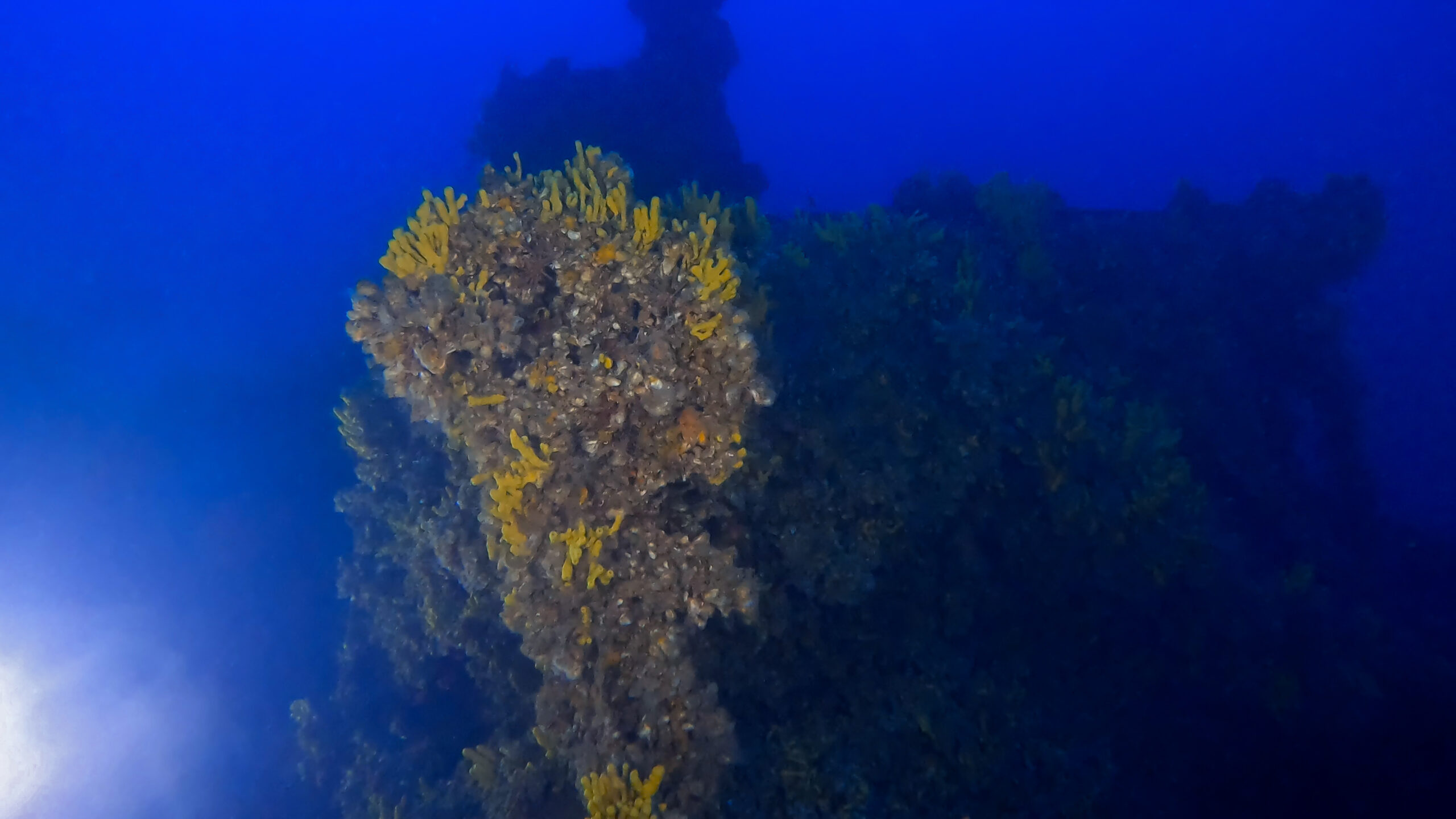
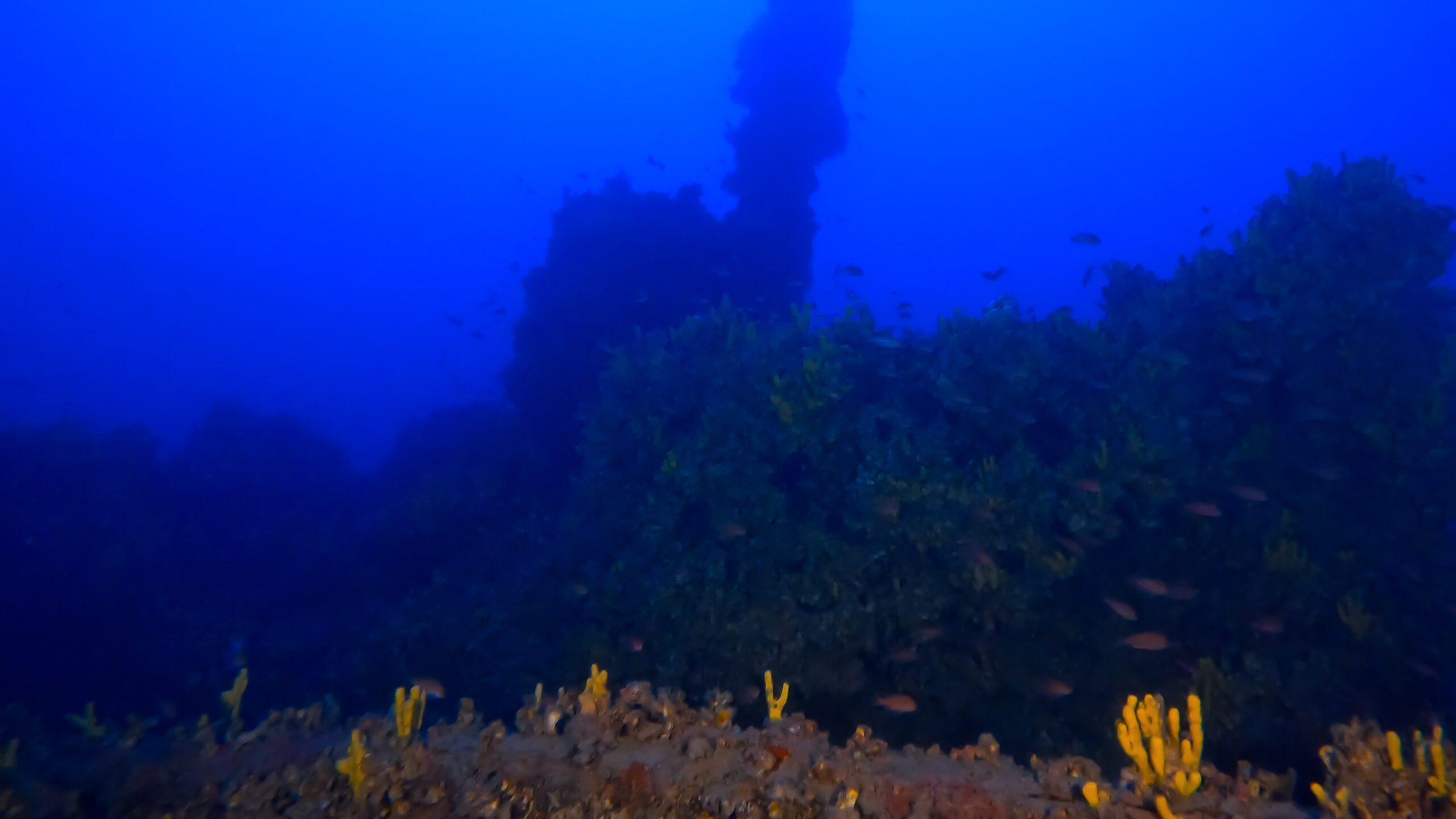
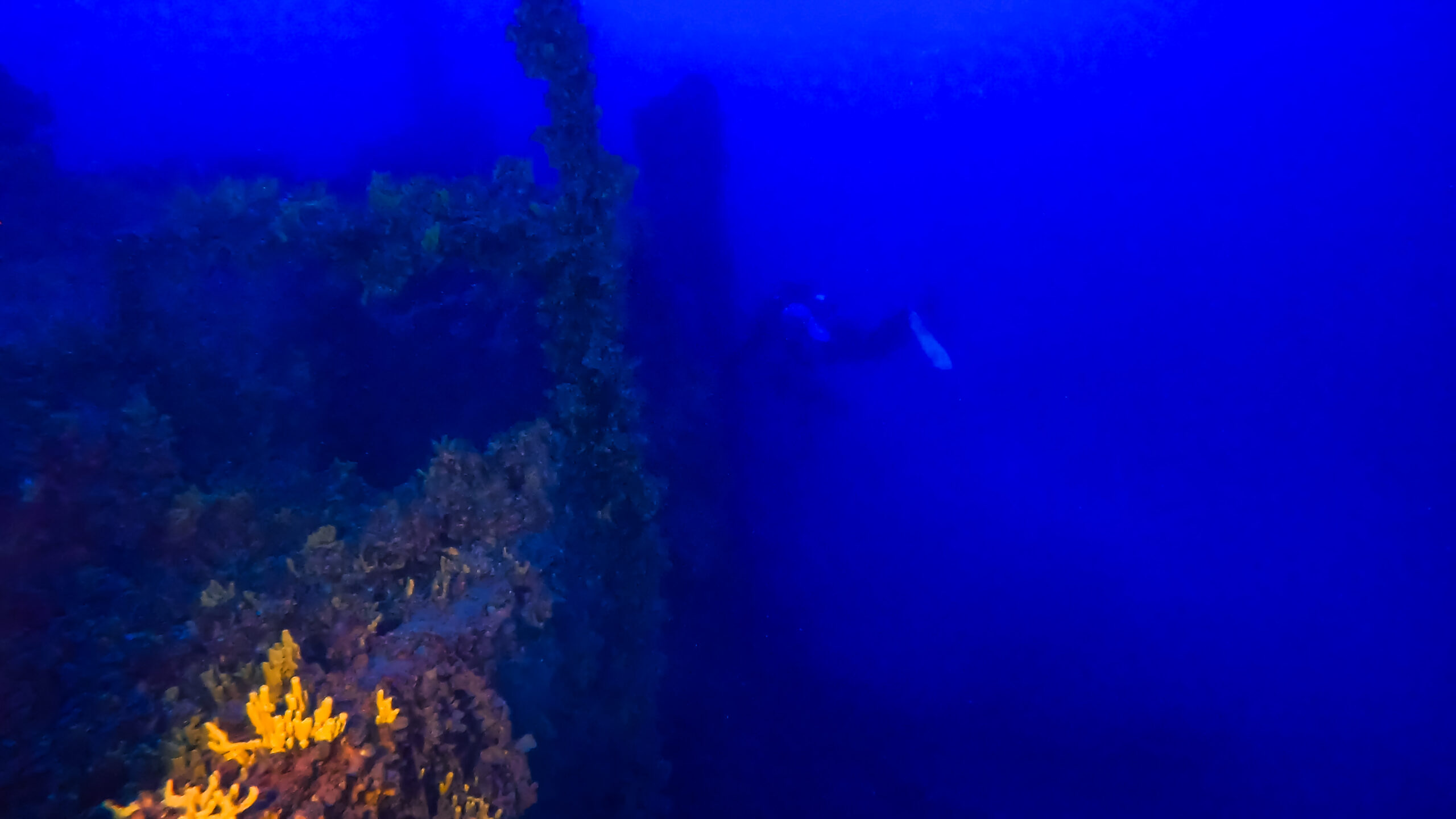
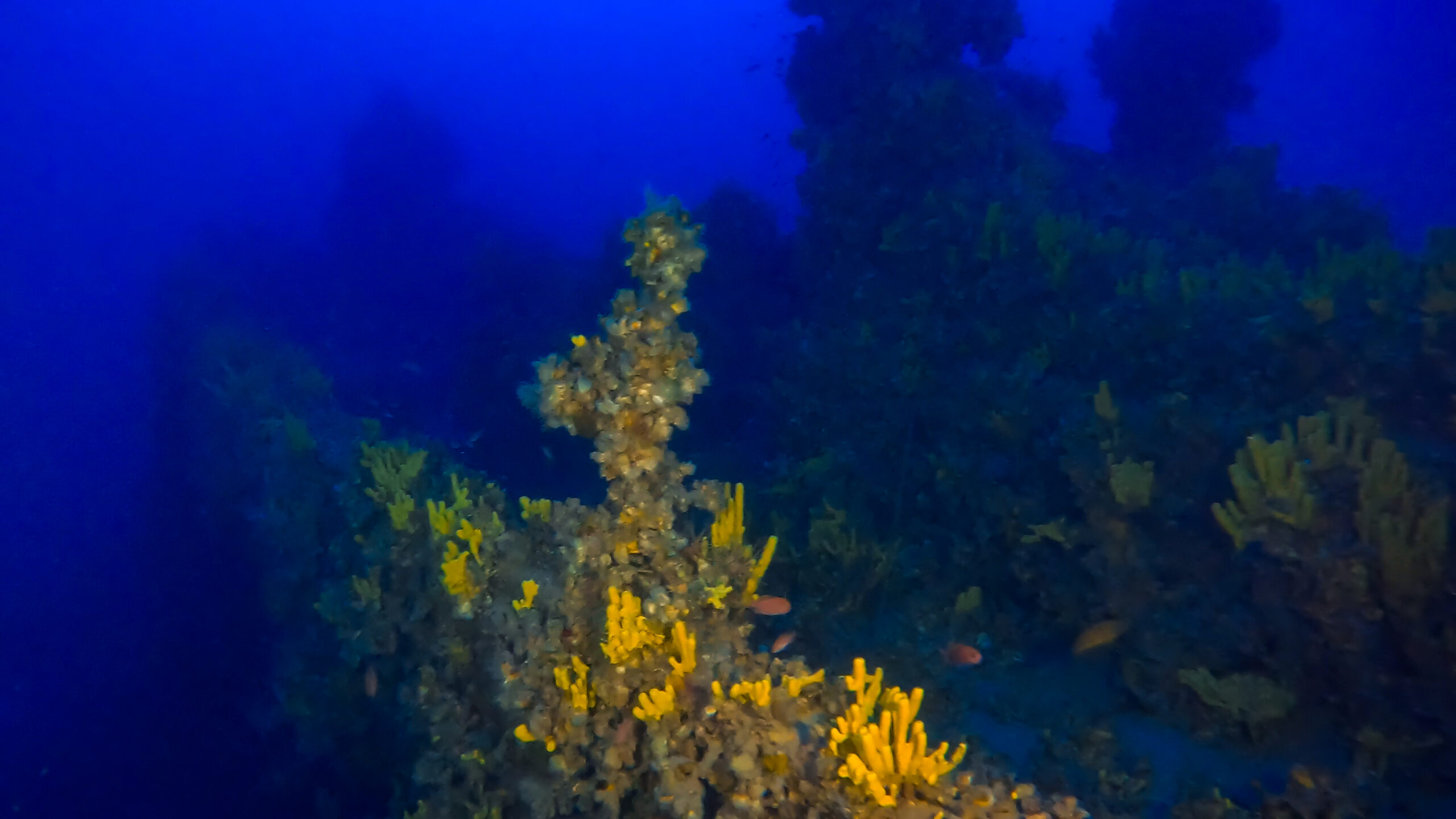
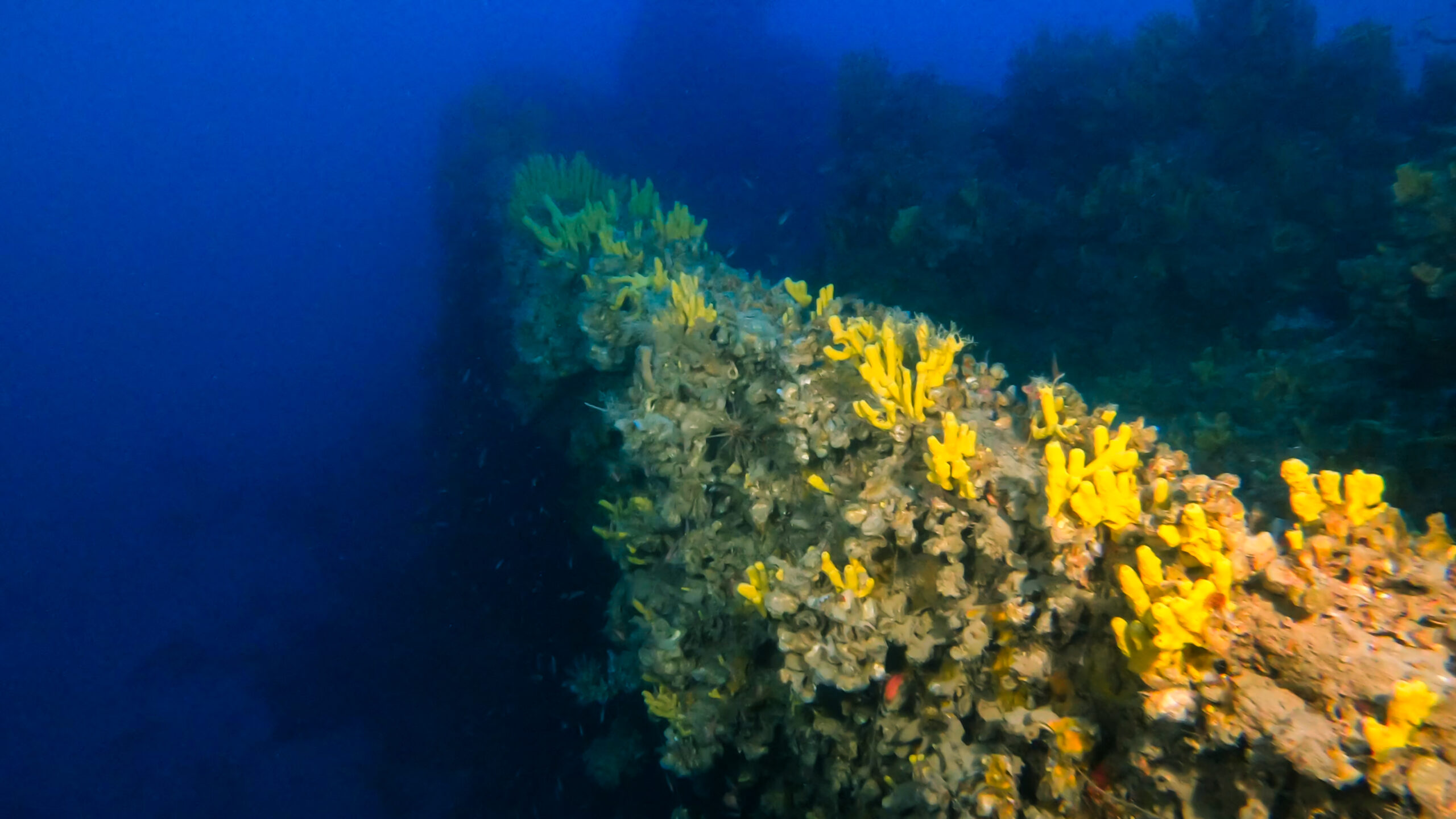
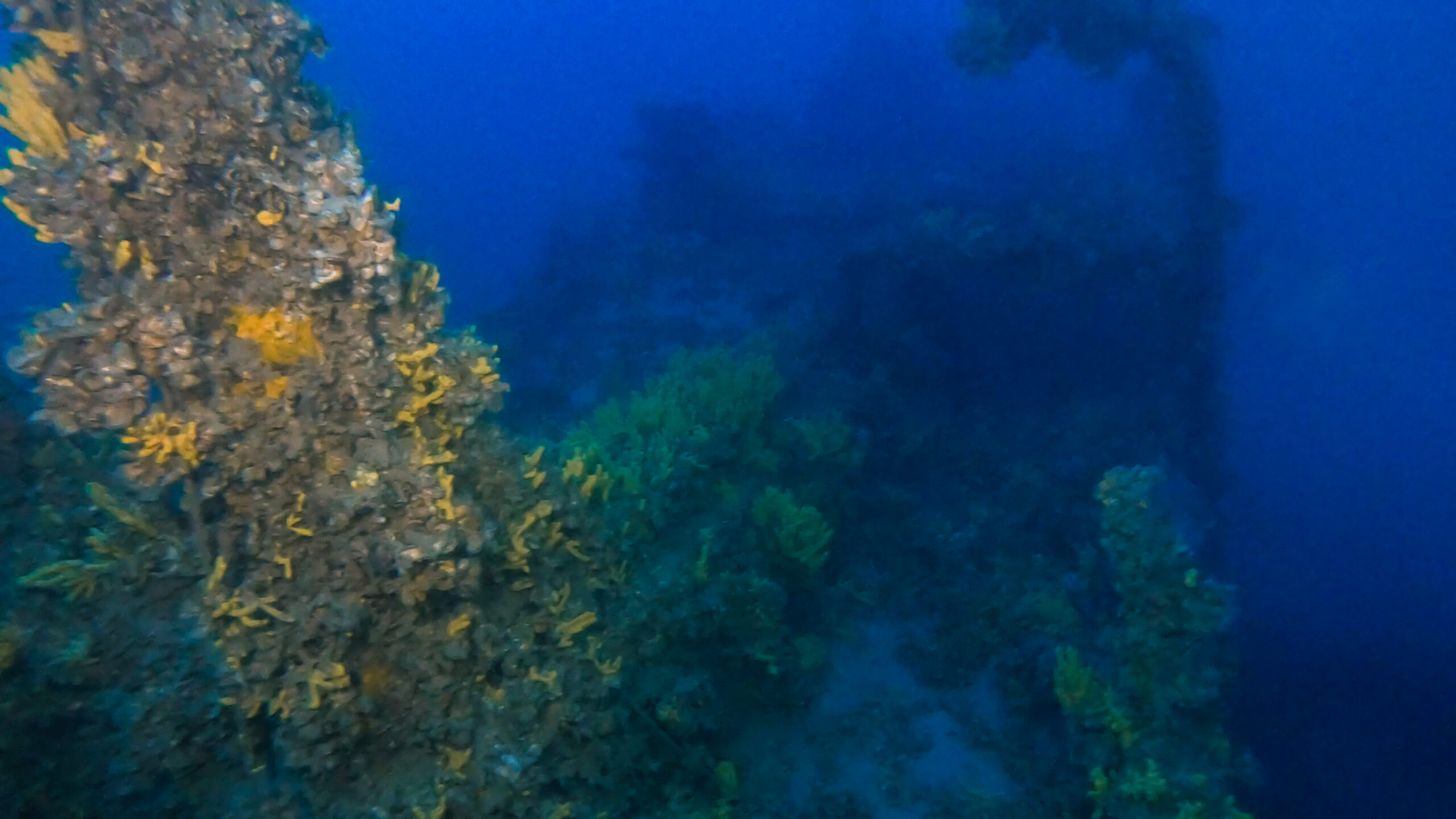
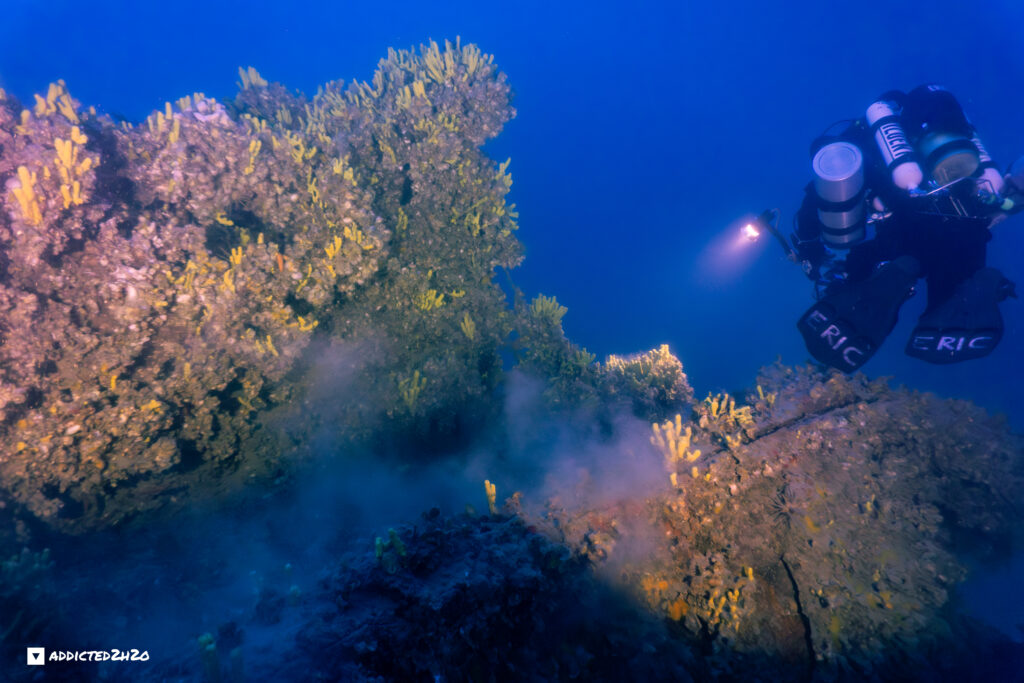
Today, the wreck of the R.D.7 rests upright on its keel on a muddy seabed, oriented roughly westward. The years and the violence of its sinking have not left it unscathed. The bow is torn away, along with the forward gun and much of the officer’s quarters and superstructure. The stern, however, is better preserved, with key features still recognisable to divers who reach this depth. The propeller and rudder remain in place, while parts of the engine room, ventilators, and antenna supports can still be seen. Marine life has now claimed the wreck, with sponges, corals, and other benthic organisms covering much of the steel, giving the ship a new role as an artificial reef.
Diving the R.D.7 is not an easy undertaking. At 100 meters, it is a technical dive requiring meticulous planning, specialised equipment, and deep respect for the site. But descending onto the wreck is an awe-inspiring experience. The shadows of the broken bow, the stern’s silent propeller, and the stillness of the seabed all combine to remind us that this is not simply a piece of history but also a grave. It is the final resting place of sailors who never returned home.
For us, documenting the wreck was about more than underwater photography and exploration. It was about preserving the memory of a ship and its crew, of a story that belongs not only to Italy but also to Greece and to the wider history of the Second World War in the Mediterranean. Each dive brings the chance to share this history with others, ensuring that these sacrifices and moments are not forgotten beneath the waves.
The wreck of the Regia Dragamine R.D.7 stands as a quiet but powerful reminder of the cost of war, the bravery of those who served, and the resilience of the sea itself, which slowly reclaims what man once placed upon it. Our team is honoured to have visited it, filmed it, and now shared its story with the world.
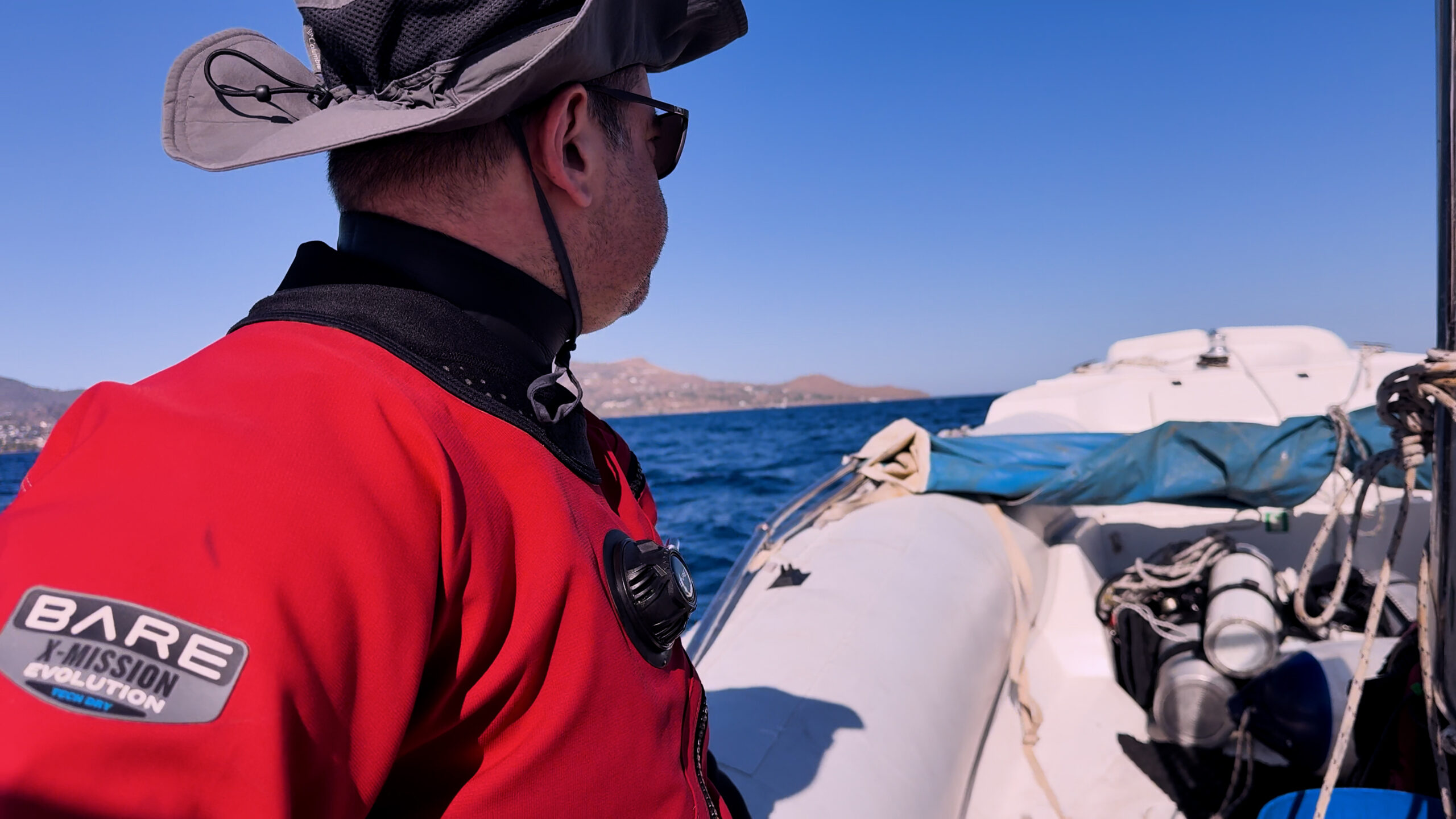
Divers:
Erikos Kranidiotis
Ioannis Simiridis
Boat Captain:
Antonis Grafas
Do what you can’t
 English
  Greek
Greek