CURTATONE
SARONIC GULF
Curtatone: The Torpedo Boat Lost to a Greek Mine
On 20 May 1941 the Italian torpedo boat Curtatone struck a mine off the island of Fleves and sank within minutes, taking 94 of her crew with her. On 18 October 2026 we dived her wreck in the Saronic Gulf, at a depth of 96 metres. This is her story, and the story of our dive.
Curtatone was laid down on 3 January 1920 at the Fratelli Orlando shipyard in Livorno and launched on 17 March 1922. She entered service in June 1923 and cost the Regia Marina 8,100,000 lire. She was the lead ship of a class of four destroyers; her sisters Calatafimi, Castelfidardo and Monzambano were, like her, named after battles of the Italian wars of independence.
She was about 84.7 metres long and displaced 953 tonnes, around 1,200 tonnes fully loaded. Two Zoelly steam turbines, fed by four Thornycroft boilers, drove her at roughly 30 knots. Naval references note that the class were the first Italian destroyers with all their armament on the centreline, and that their 102 mm guns were mounted in twin turrets, a first in European practice.
She served first with the 3rd Destroyer Division at La Spezia and later at Taranto alongside her sisters. In 1926 one of her turbines was badly damaged at sea, and the repairs took two years. Between 1929 and 1936 she supported Regia Marina bases in Libya, the Dodecanese and Abyssinia. On 1 October 1938, too old to count as a destroyer, she and her sisters were reclassified as torpedo boats; her light guns were replaced and minesweeping gear was fitted.
Italy entered the war on 10 June 1940, and Curtatone joined the 16th Torpedo Boat Division, escorting convoys in the southern Adriatic, mainly between Bari and Durrës, until April 1941. With Greece overrun, she was transferred on 5 May 1941 to the Italian naval command for the North Aegean, based in Athens and working alongside the German Kriegsmarine. On 16 May she and Monzambano escorted five steamers carrying German army supplies to Patras.
The Battle of Crete was at its height, and the Germans were organising convoys to reinforce the island from Piraeus and Thessaloniki. Italian escorts were to take over one of them at Lavrio for the crossing to Crete. The task fell to Curtatone, under Capitano di Corvetta Serafino Tassara, and the torpedo boat Sagittario, under Giuseppe Cigala Fulgosi.
At 13:00 the two ships left Piraeus for Lavrio. At 13:51, near the island of Fleves, Curtatone ran into a mine from a Greek minefield laid there in October 1940. Accounts differ on how she came to be there; one says she missed the navigable channel through an error. The explosion was huge and she went down within a few minutes. Sagittario, about two miles behind, recorded in her log how violent the blast was, and together with other ships called to help she picked up the survivors.
The Italian official history lists 94 men lost, including Tassara, and 34 saved. German records give 29 survivors, a difference the sources do not resolve.
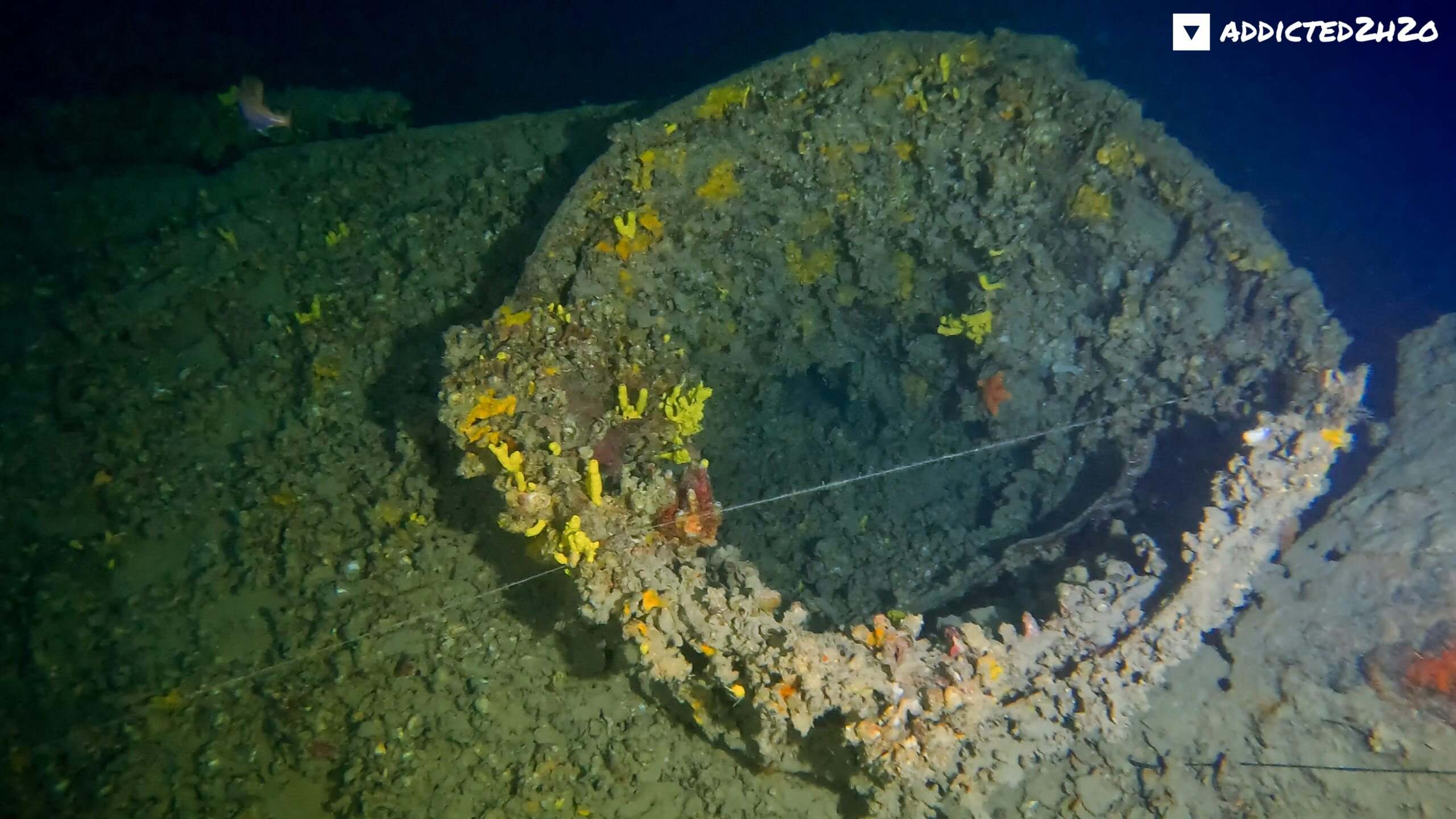
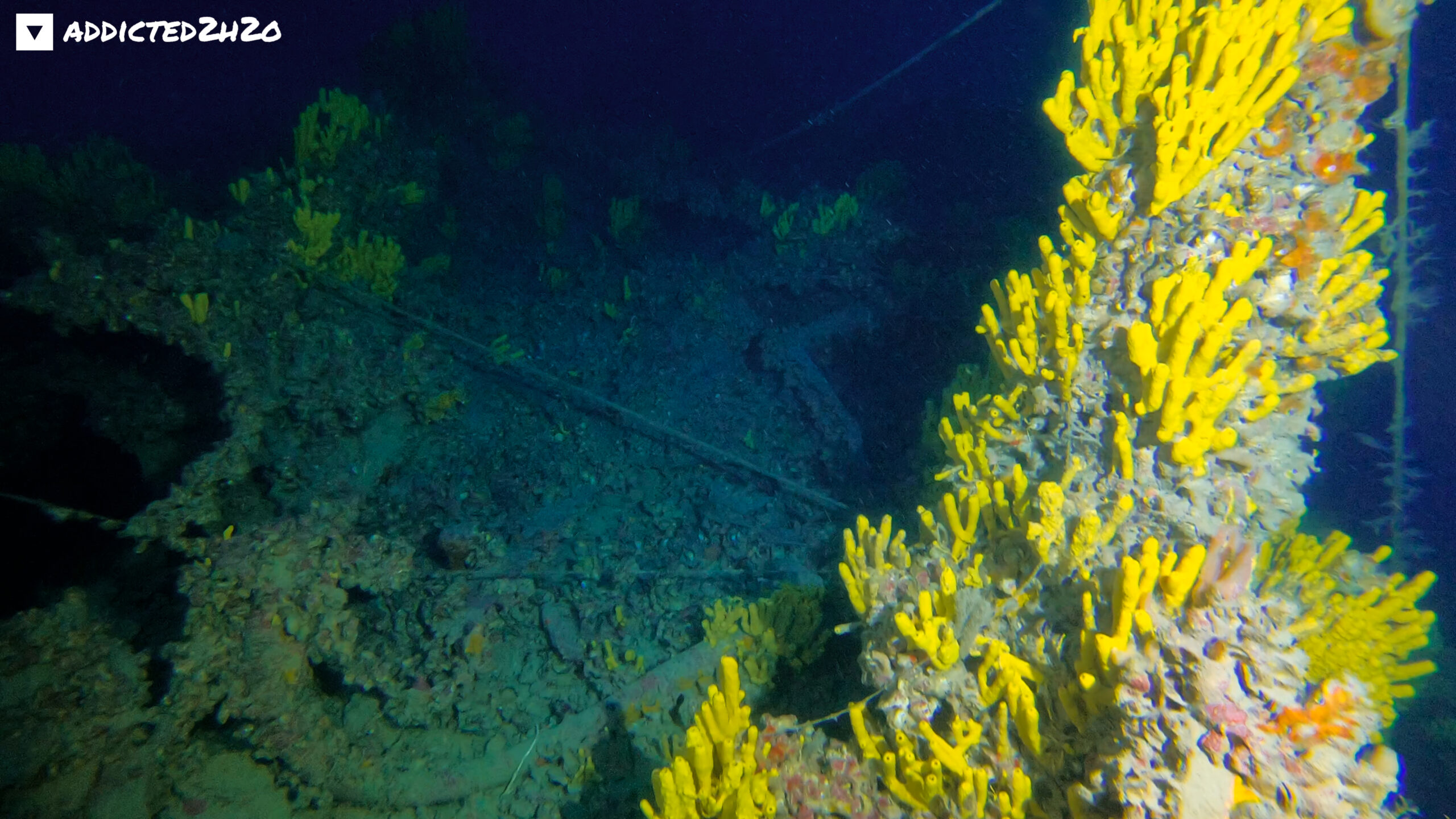
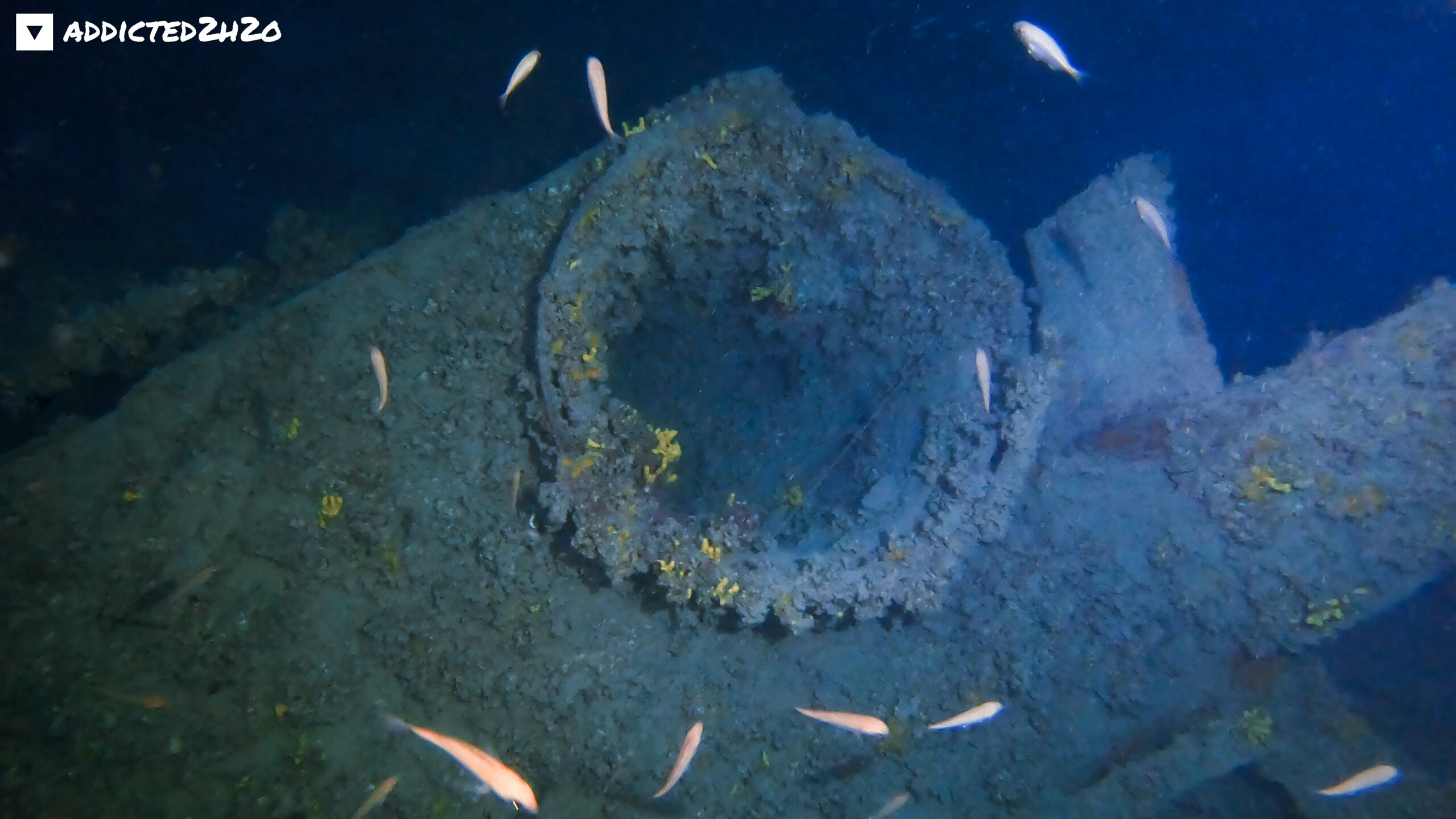
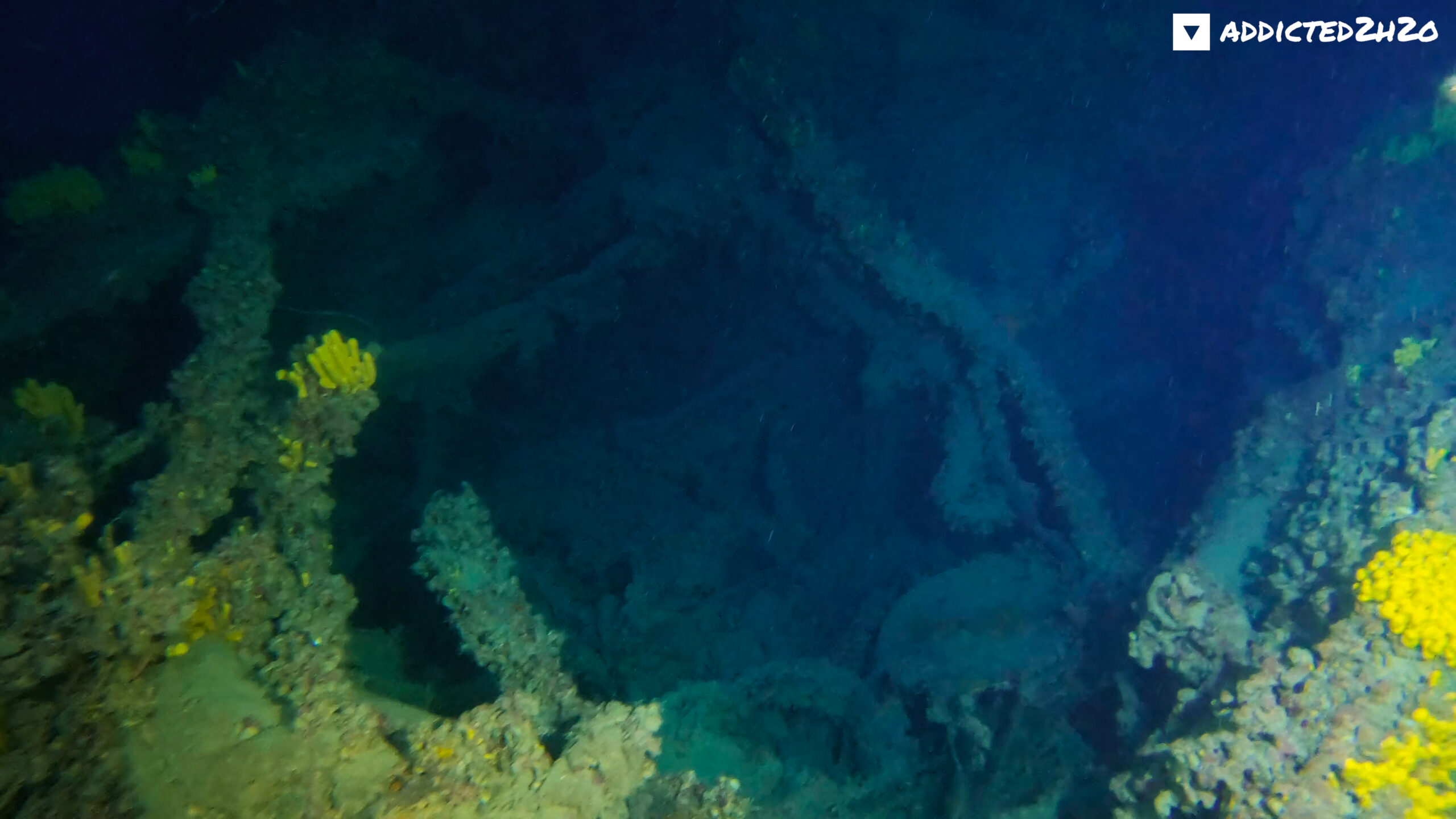
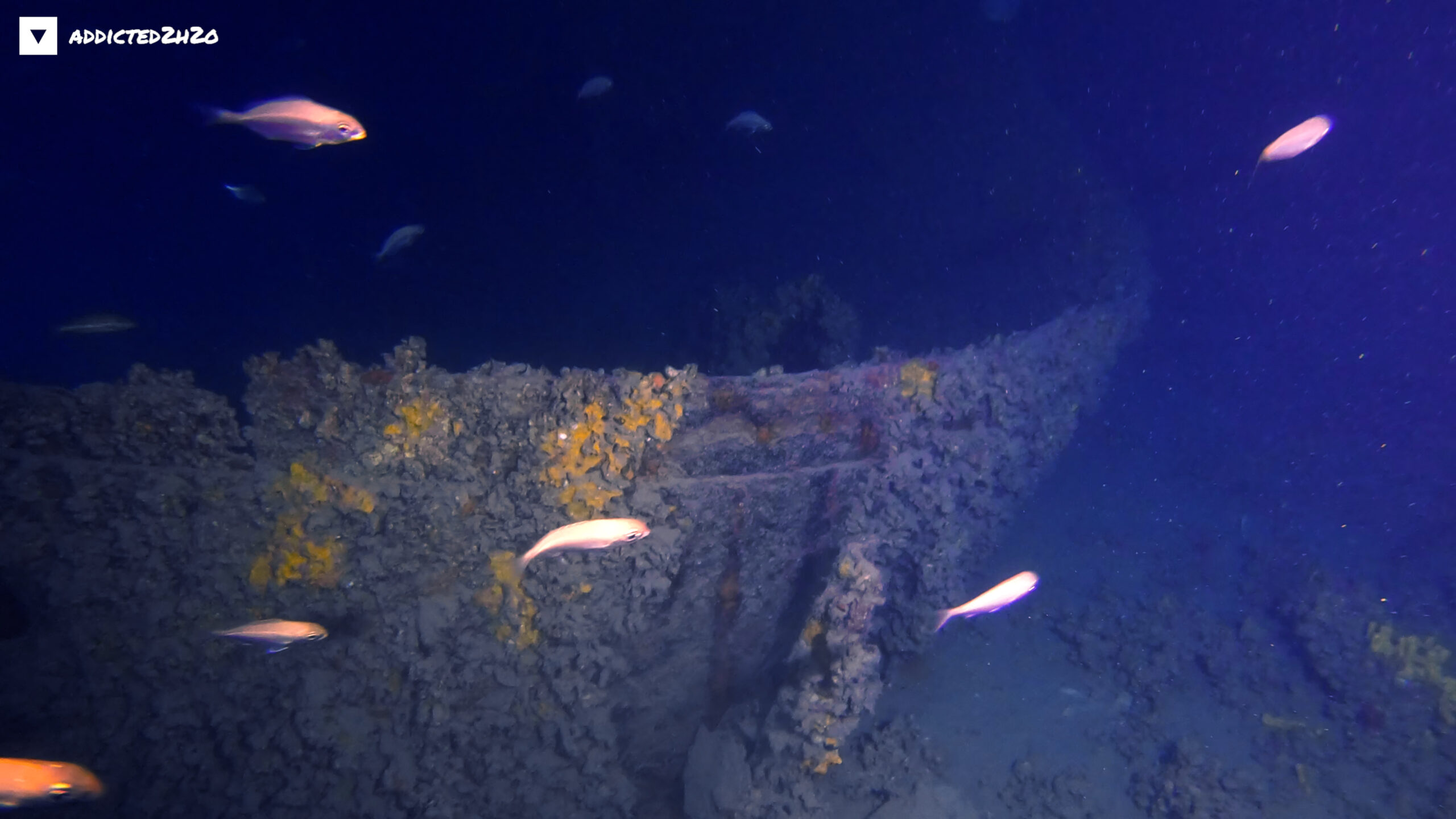
The wreck was first dived in August 2007 by a Greek team documenting the modern wrecks of the Saronic Gulf, and revisited in 2011. Her identification rests on the general features of the wreck and on archive research that places the mining about two nautical miles west of Fleves. Today she is regarded as one of the most historic wrecks of the Saronic Gulf. What remains is a badly broken ship, probably her after part.
The wreck today
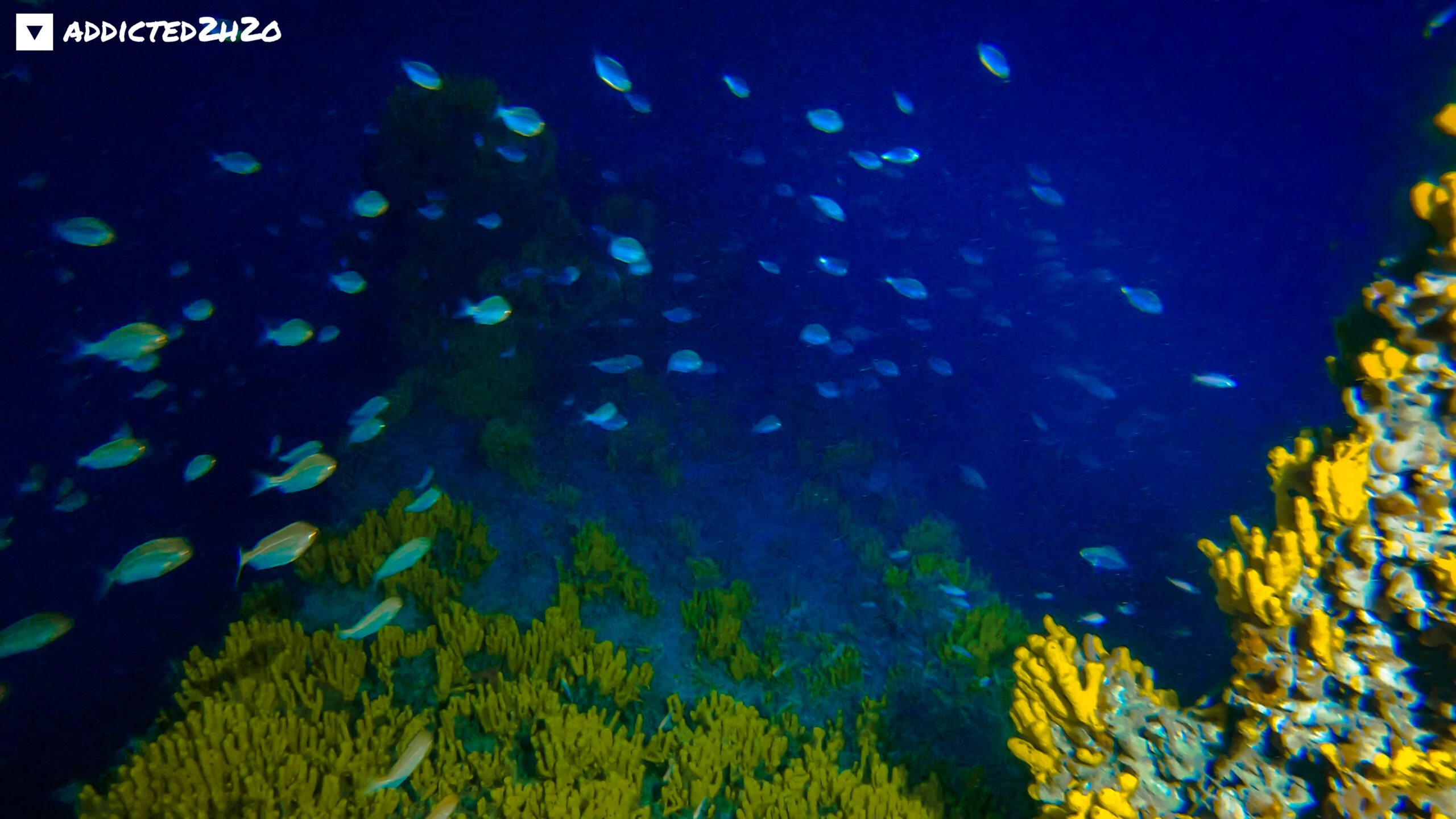
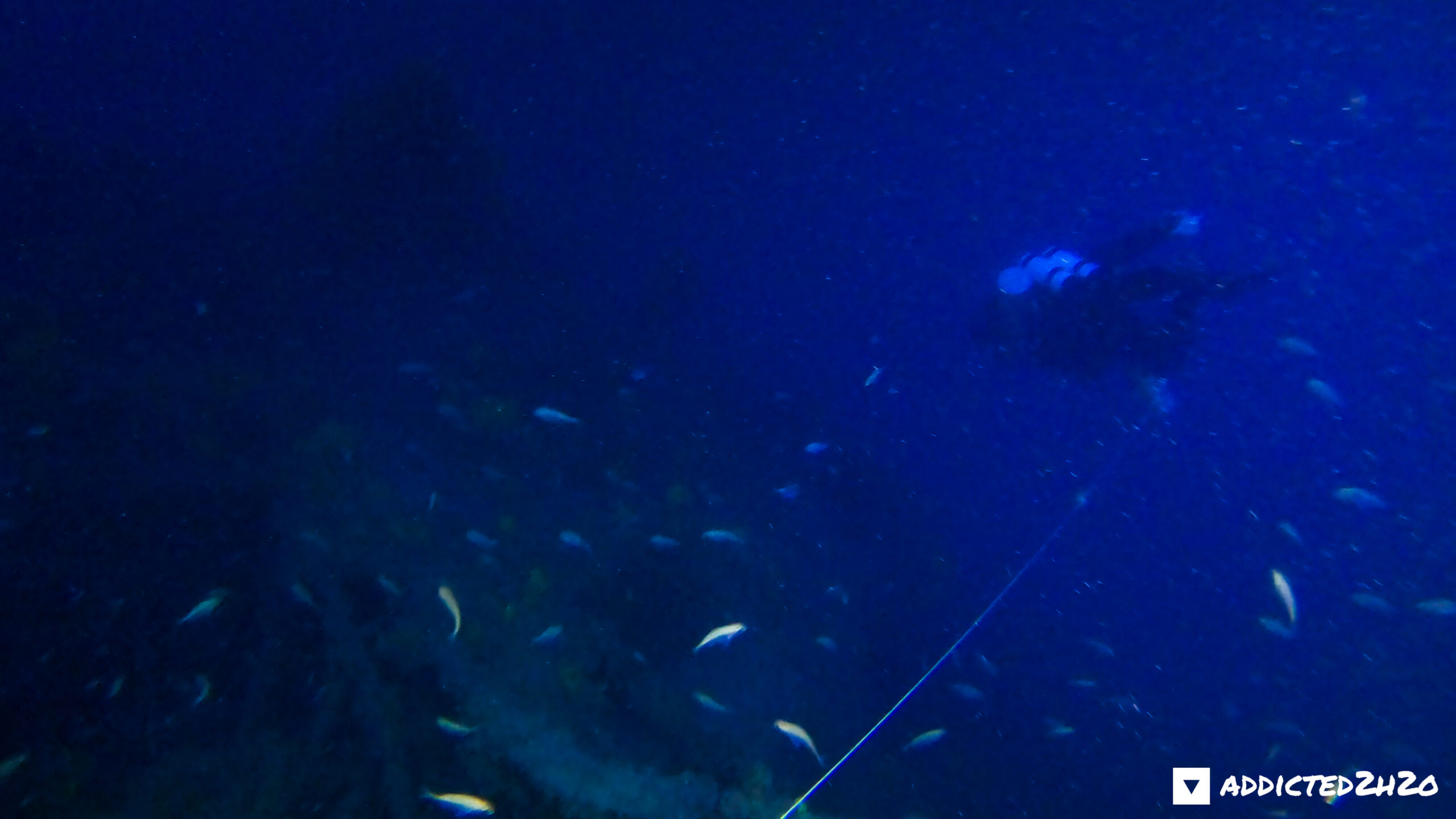
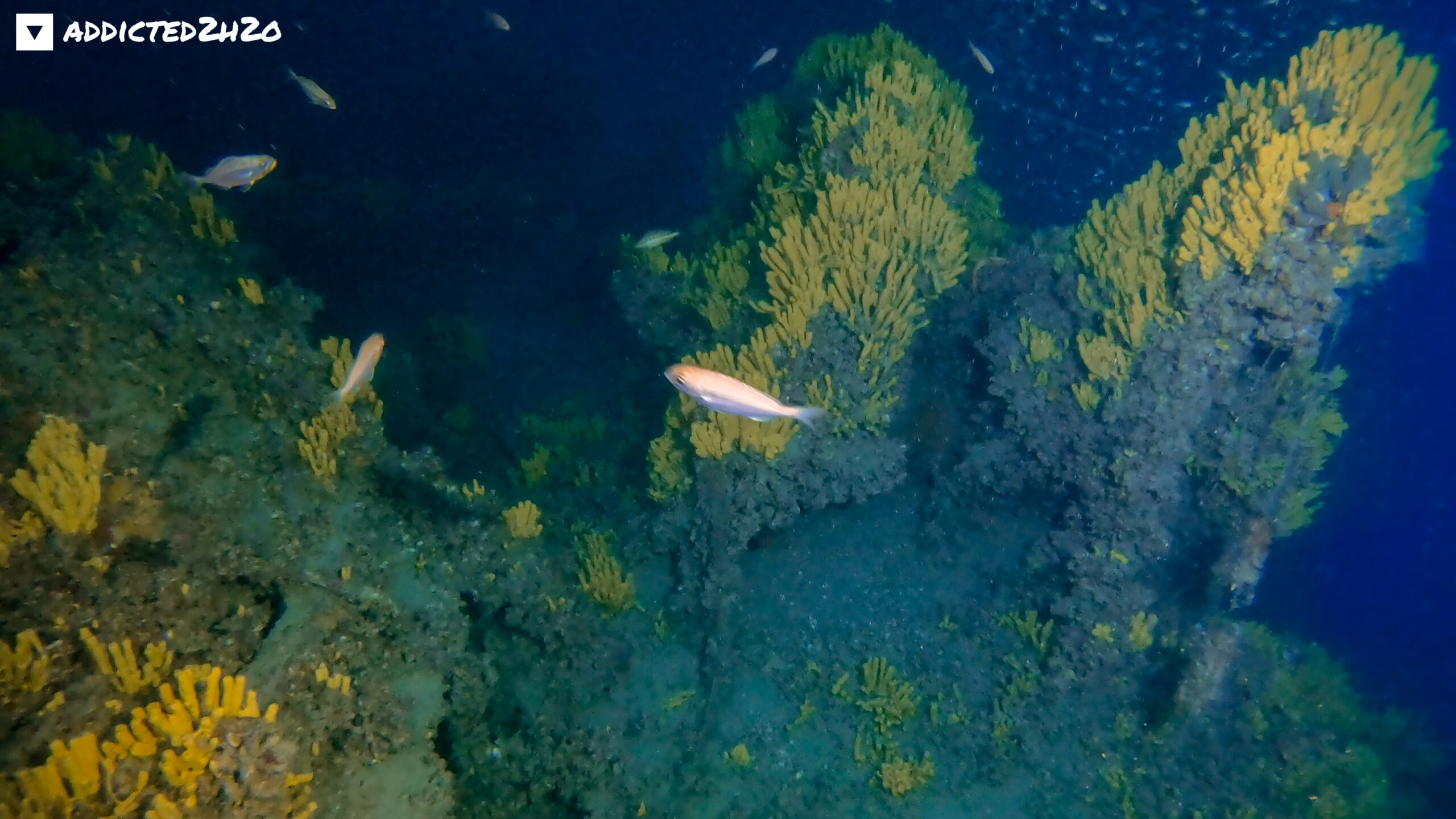
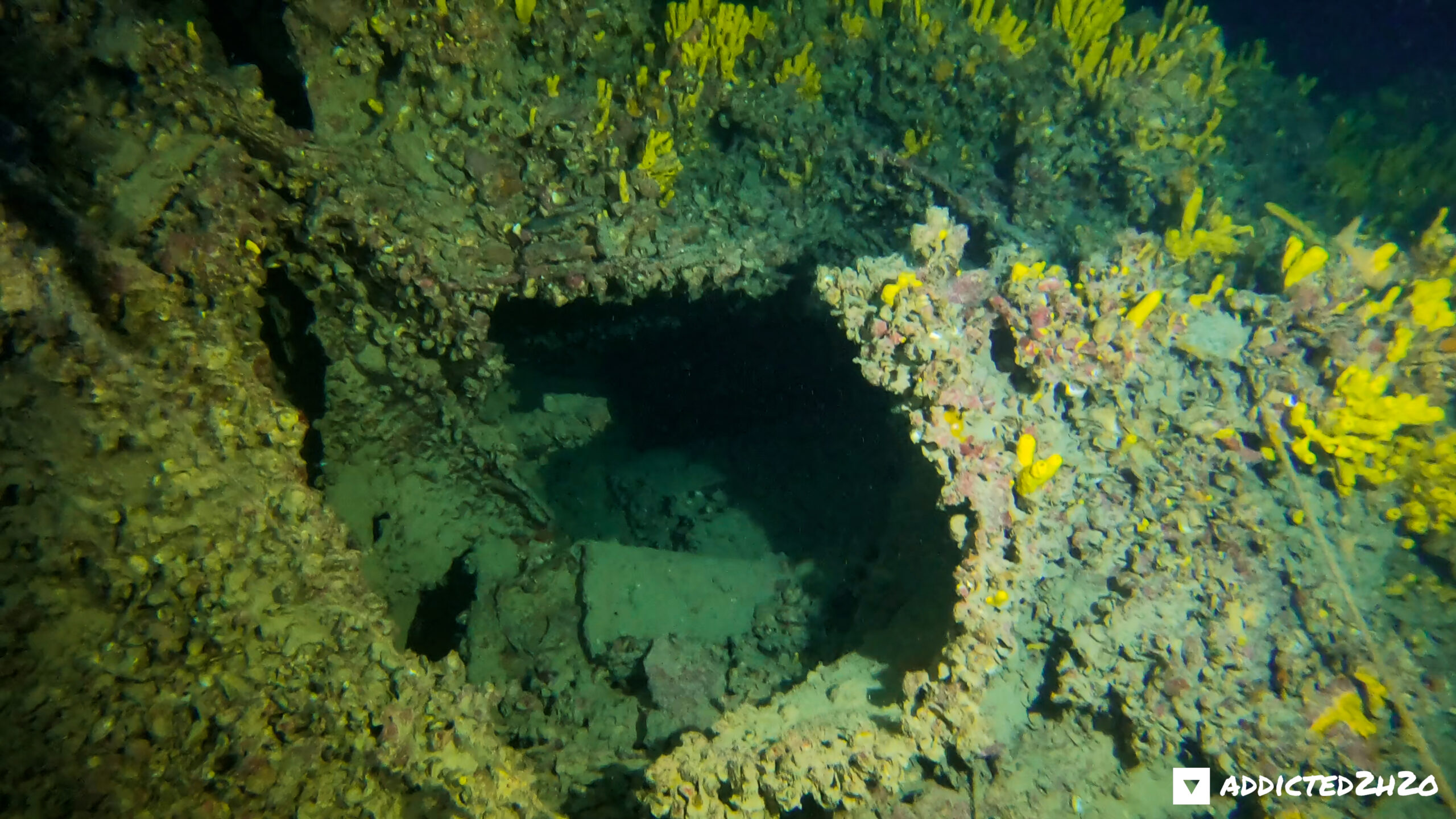
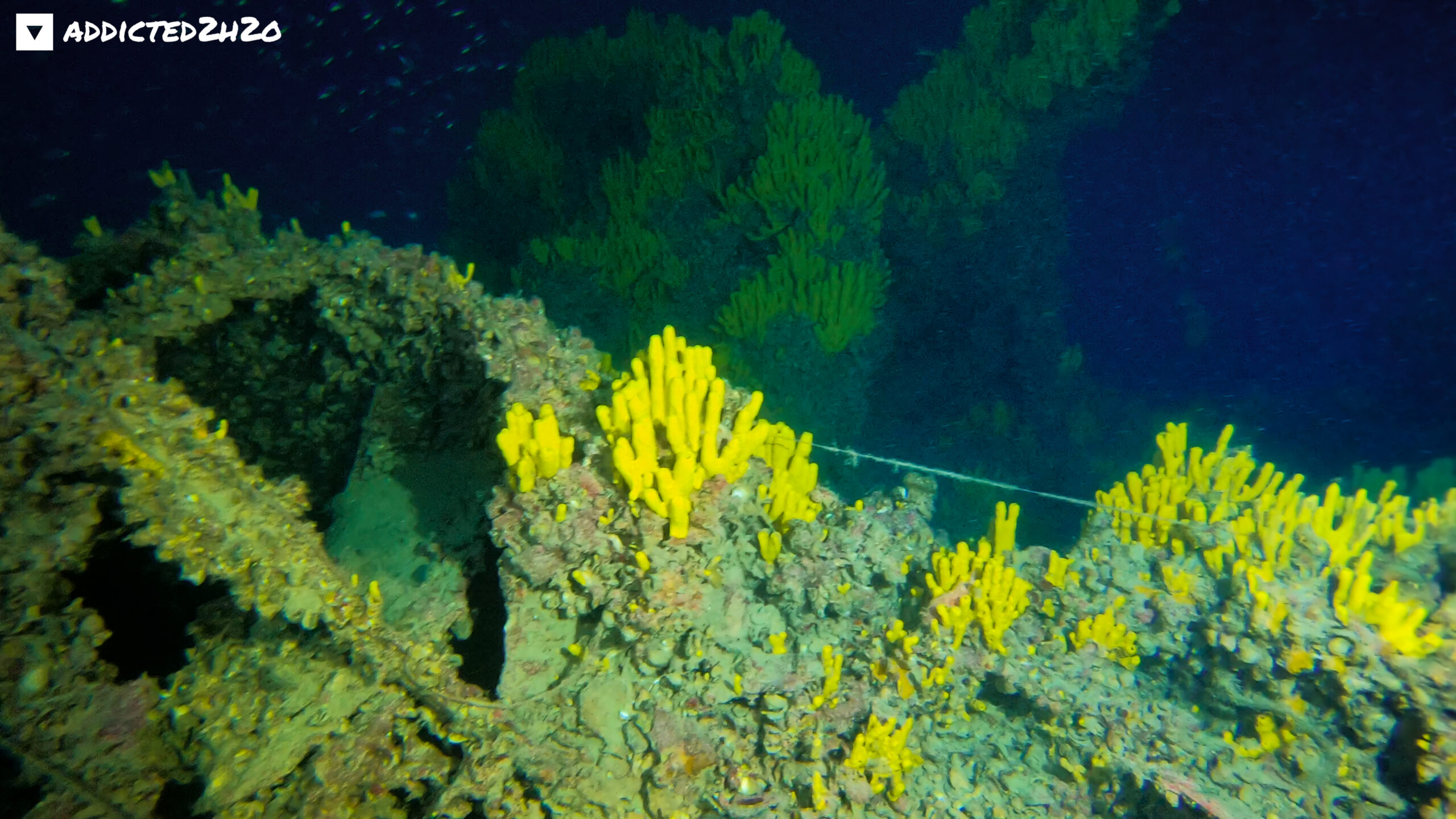
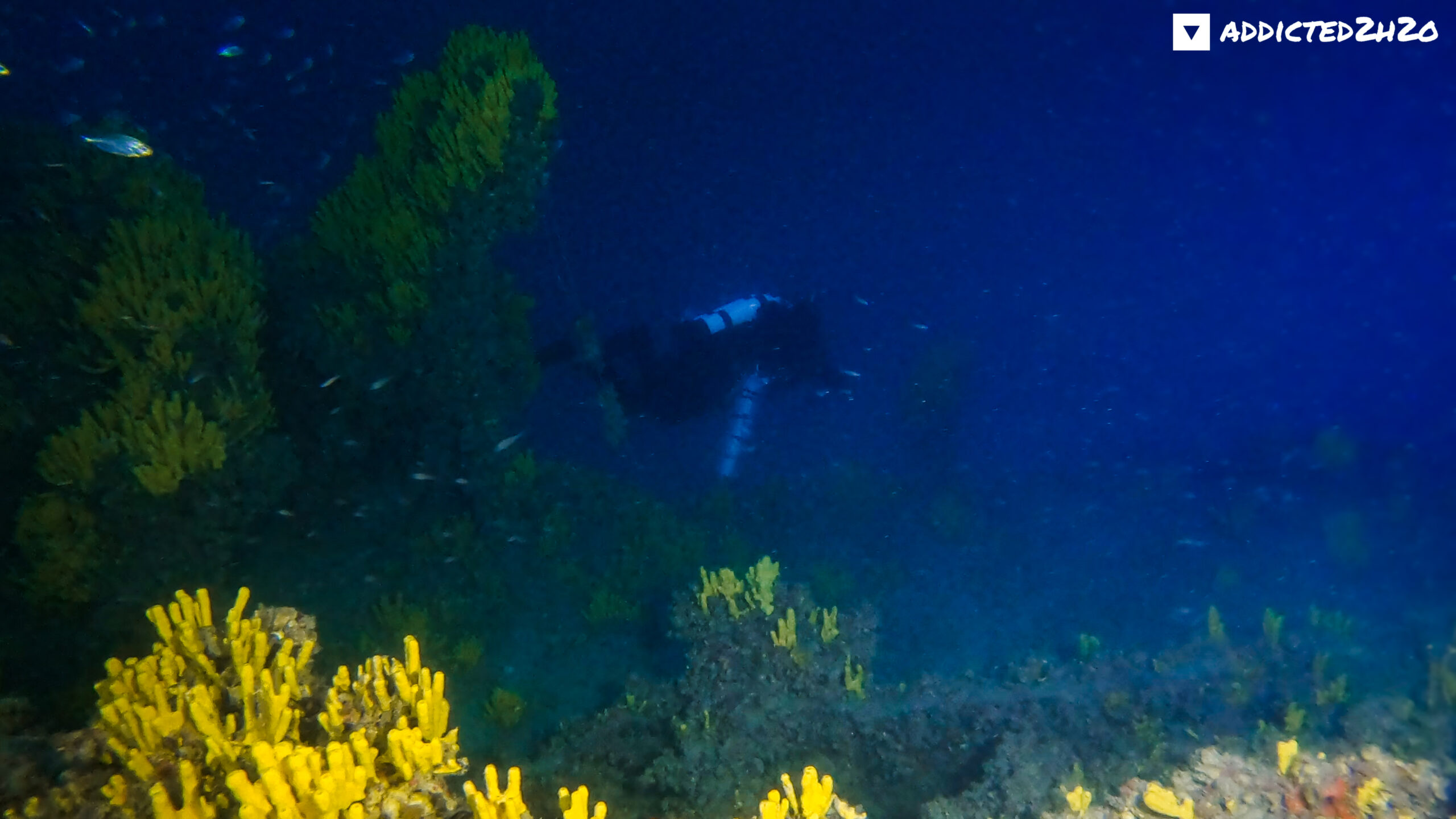
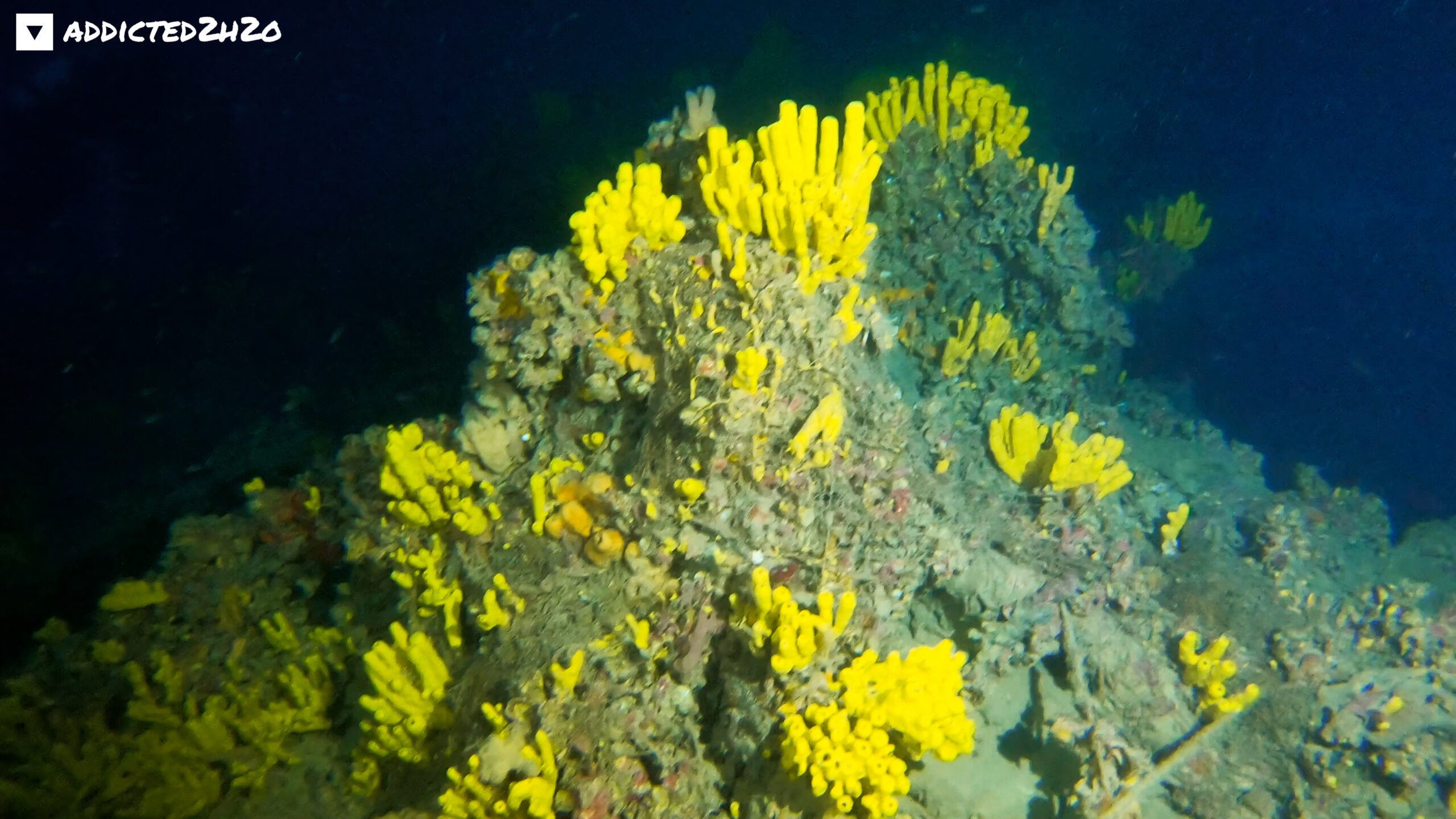
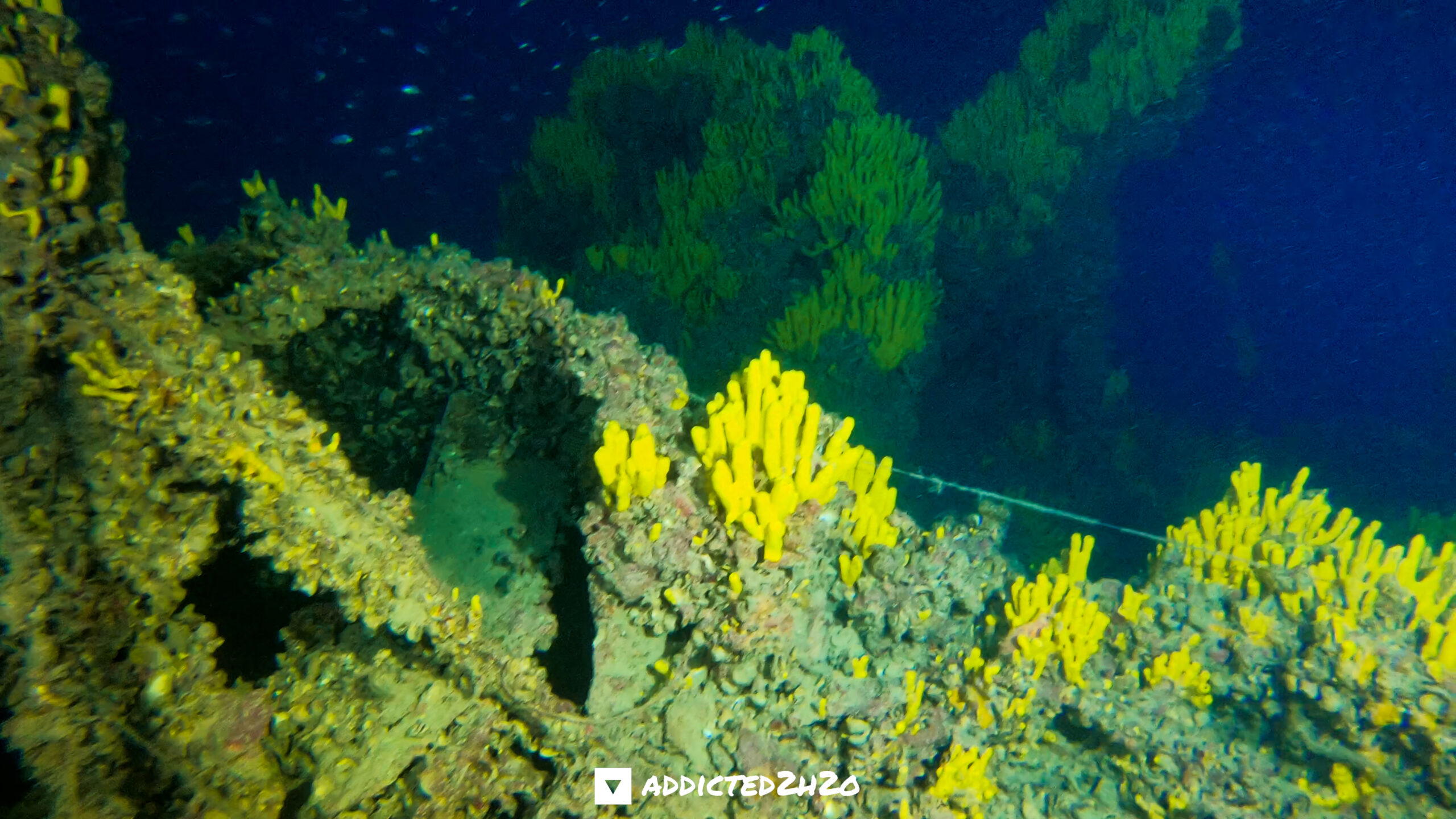
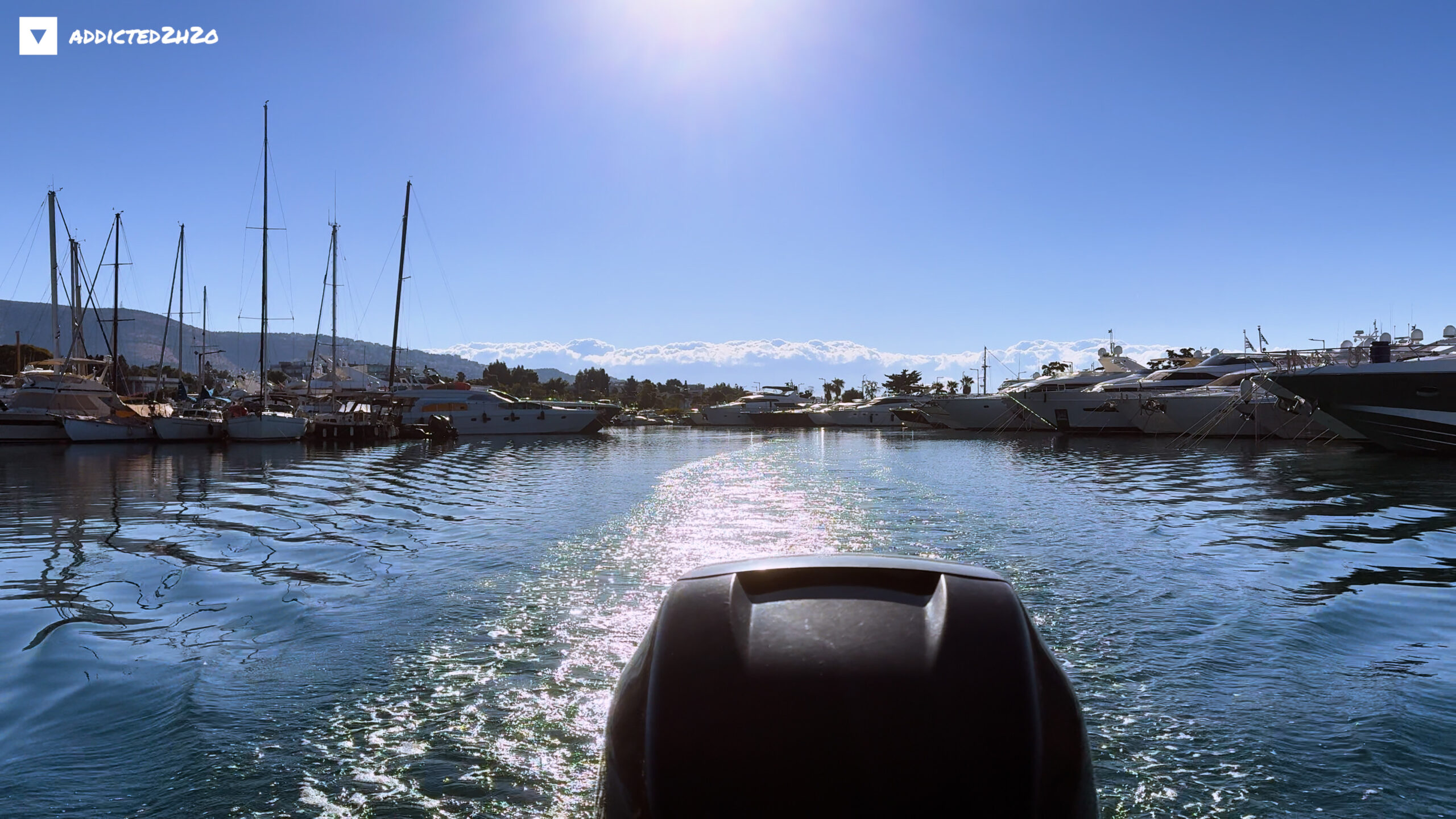
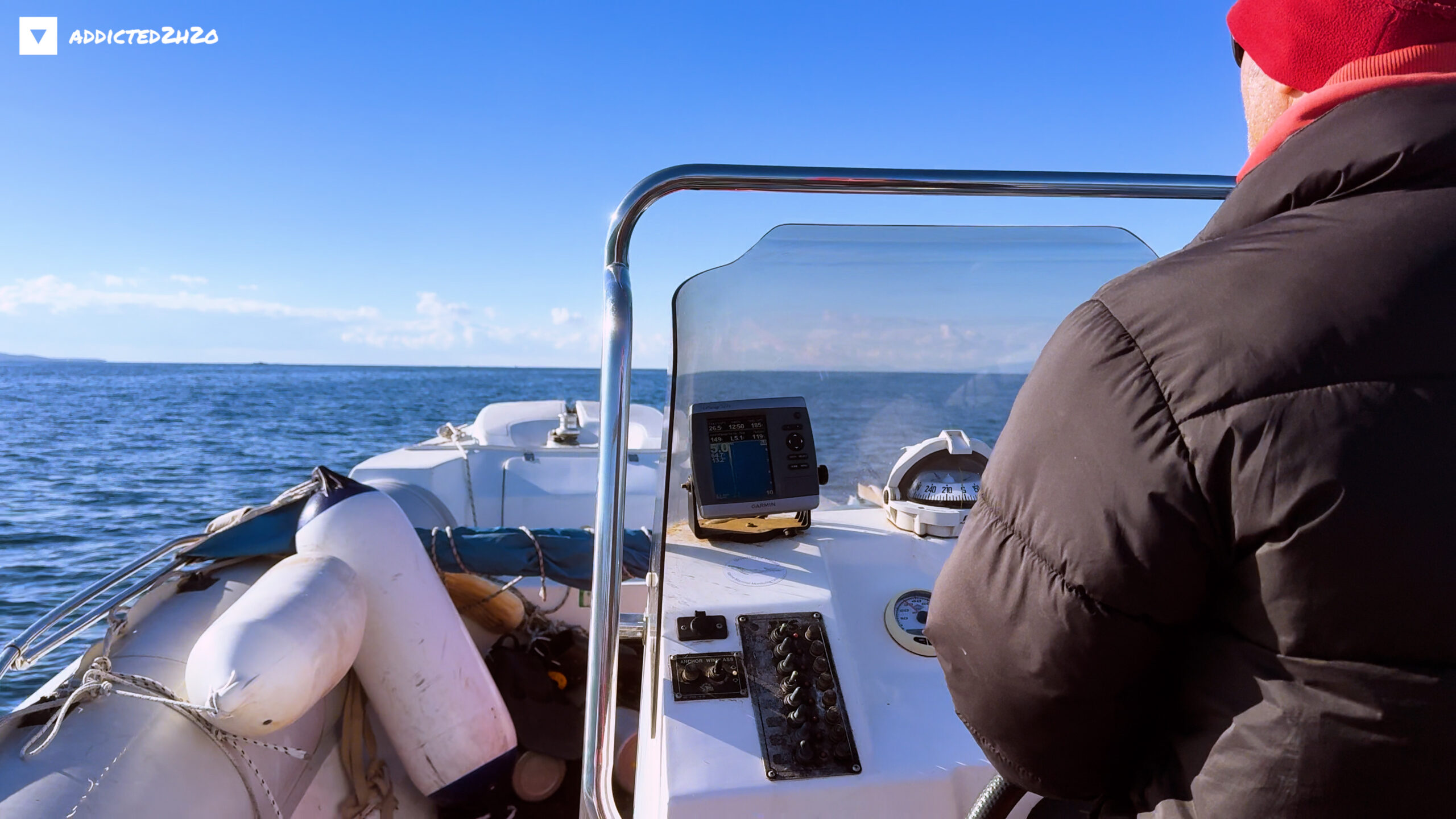
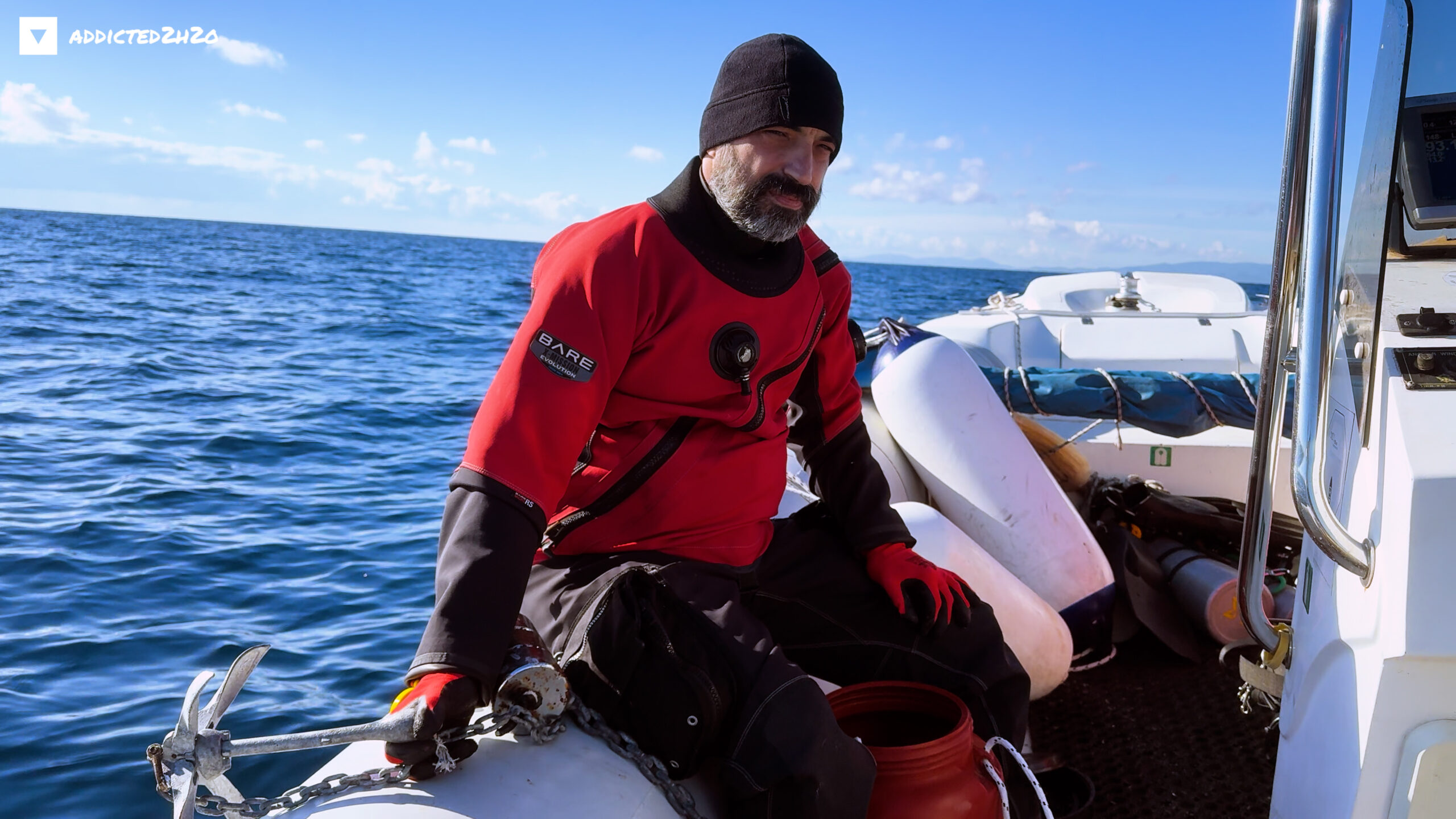
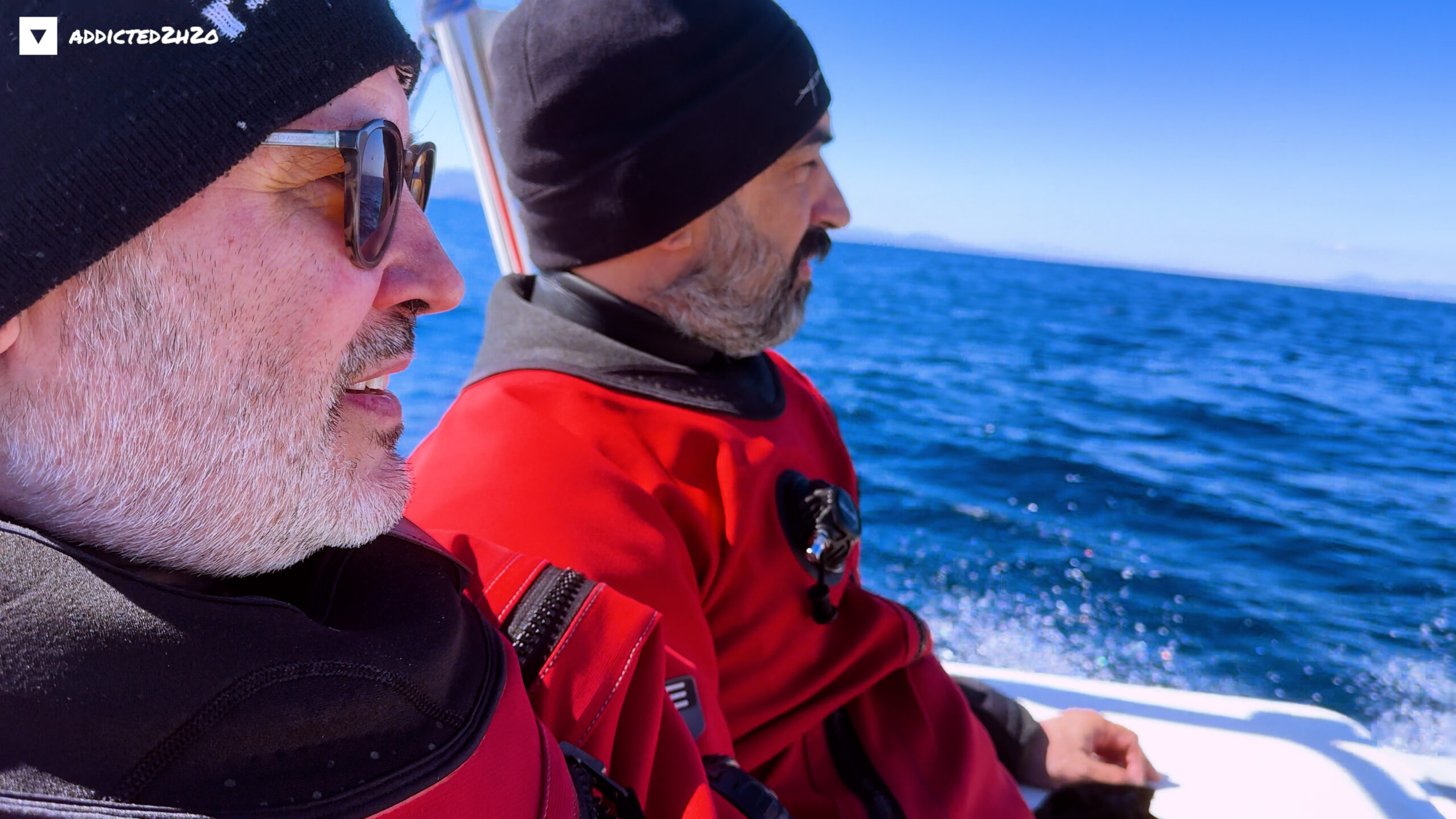
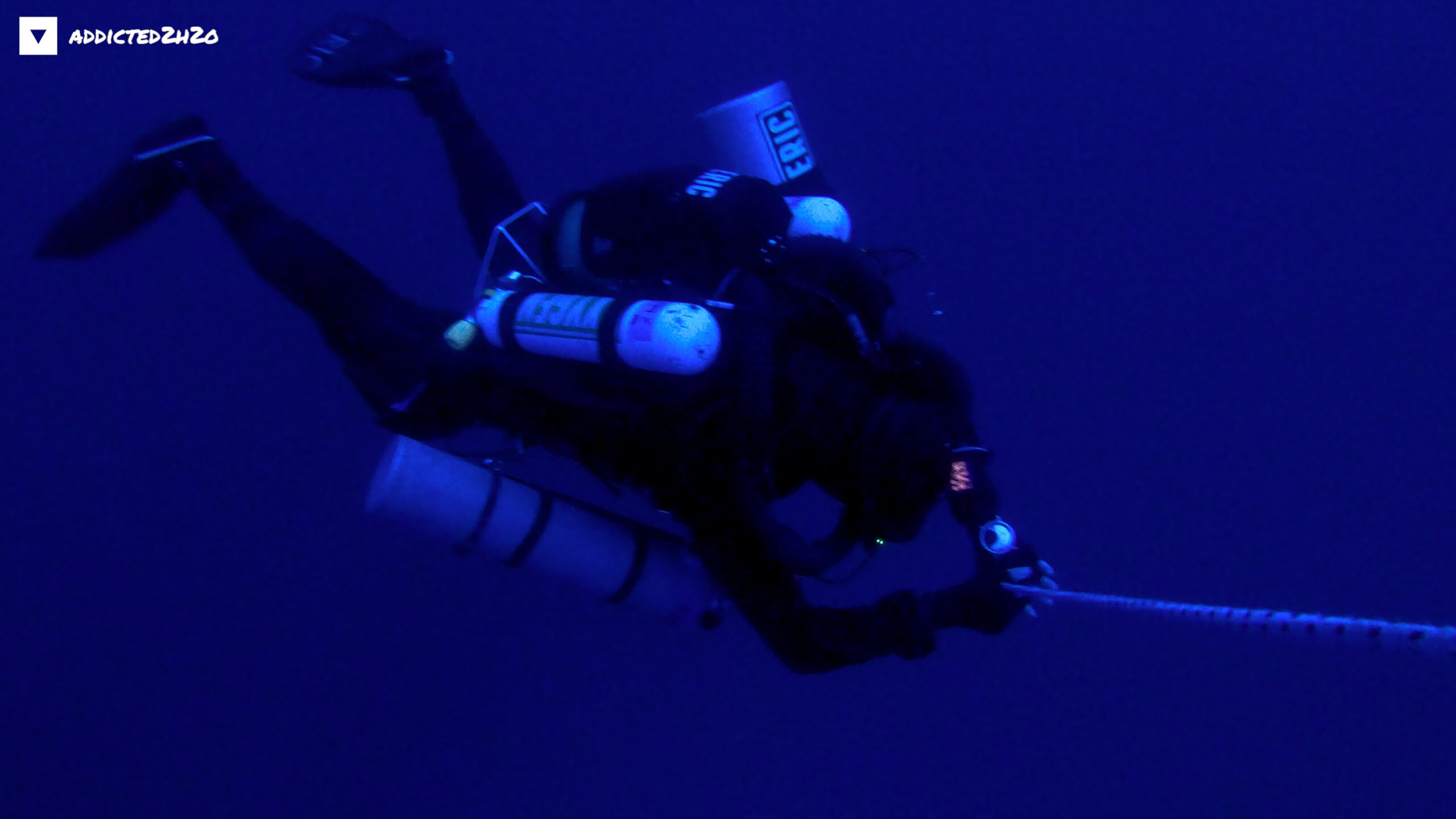
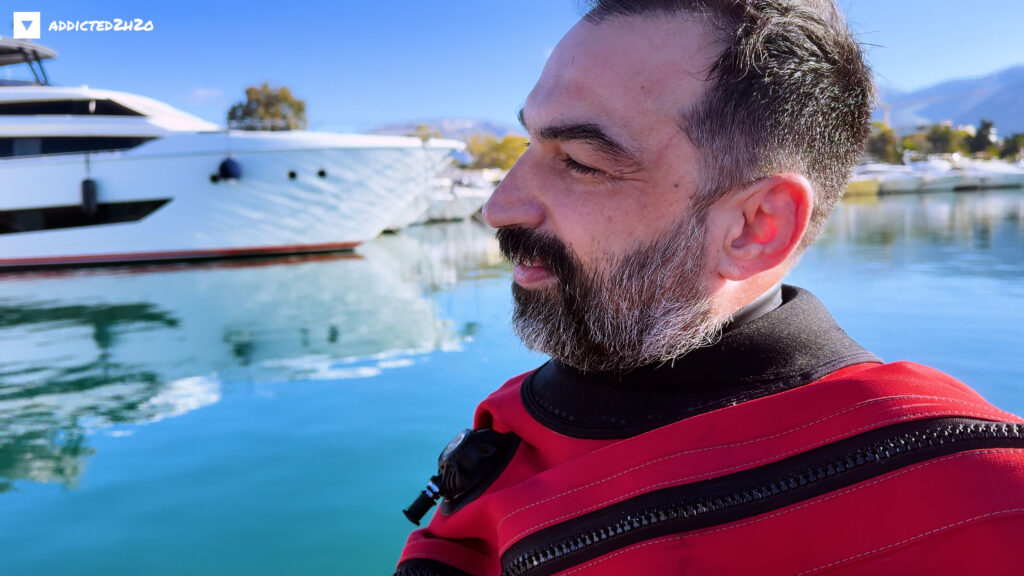
The explosion cut Curtatone in two, roughly amidships. The forward part, as far as the bow, is missing from the site; what rests on the seabed at 96 metres is her stern section, torn open at the break. A dive to 96 metres is technical diving in the fullest sense: specialised gas mixes, long staged decompression, surface support, and a team that has rehearsed every contingency before leaving the dock. We spent a total of 22 minutes on the bottom with a total dive time of 1 hour and 50 minutes.
Divers:
Erikos Kranidiotis
Stelios Stamatakis
Boat Captain:
Adonis Grafas
Do what you can’t
 English
 Greek